
Introduction
Your website might look great—but how well can it be found?
That’s the question our SEO website grader is designed to answer. In an era where search engine visibility is vital for online success, understanding your website’s SEO health is more important than ever. Instead of digging through spreadsheets and confusing analytics, our tool provides a clear, letter-based SEO performance score that instantly shows you where you stand.
What Is a Website SEO Grade?
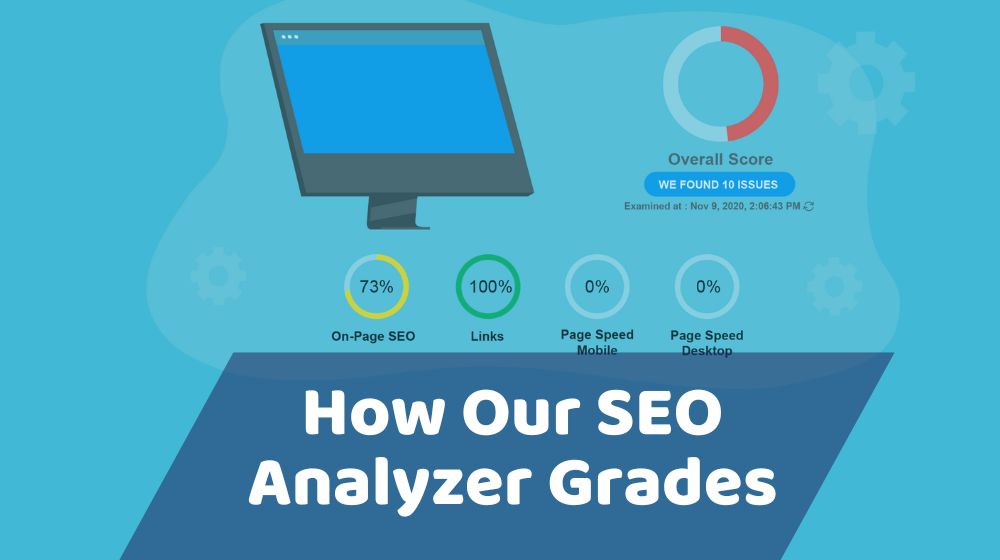
An SEO grade is a comprehensive evaluation of your website’s search engine optimization status, translated into a simple letter grade from A to E. Think of it like a school report card, but for your website. It reflects how effectively your site meets essential SEO standards and best practices.
Whether you’re a startup founder, a digital marketing professional, or an e-commerce business owner, using a trusted SEO website grader gives you a direct understanding of how your site is performing across technical and content-based criteria.
Why the SEO Grading System Matters
SEO can be technical, tedious, and at times overwhelming. But with our intuitive SEO grading system, even the most complex factors are broken down into an actionable and easy-to-understand format.
Here’s why grading matters:
- Simplifies Complexity: Rather than analyzing a hundred individual metrics, you get one clear letter grade.
- Identifies Weaknesses Fast: A low grade immediately shows areas that need urgent attention.
- Monitors Growth: Run monthly checks and see your grade improve as you implement changes.
The page grade analyzer evaluates over 50 ranking factors, pulling in everything from technical SEO to backlink quality, and rolls them into a score that mirrors your site’s SEO readiness.
Why We Use an A to E SEO Grading System
Rather than using a percentage or 1-to-10 scoring method, our SEO website grader gives you a letter-based performance rating. This makes understanding your results much easier at a glance.
- A means your website is highly optimized and only needs minimal maintenance.
- B reflects solid SEO with room for moderate improvement.
- C signals average performance and several key issues to resolve.
- D indicates your site has multiple serious flaws.
- E shows critical problems that are hurting your visibility and must be fixed urgently.
Other tools like SEMrush and Google Lighthouse use similar systems because letter grades resonate with users. They’re intuitive, emotional, and actionable.
What Impacts Your SEO Performance Score?
Our SEO website grader analyzes your site using a multi-dimensional approach. Each aspect of SEO is assigned a weight based on how it influences your rankings. Here’s how it breaks down:
1. Technical SEO (30% Weight)
This section is all about how well your website performs behind the scenes. We examine load times, mobile responsiveness, crawl errors, and other foundational elements. Specific factors include:
- Page Speed and Core Web Vitals (LCP, TBT, CLS)
- Mobile Optimization (Responsive design and tap targets)
- Crawlability and Indexing (Broken links, robots.txt configuration)
If your technical SEO is lacking, even high-quality content might not rank. That’s why our page grade analyzer gives this category the most weight.
2. On-Page SEO Check (30% Weight)
This section focuses on what appears directly on your pages. Our on-page SEO check ensures that each page includes properly optimized content, well-structured headings, and relevant metadata.
Key elements include:
- Meta Titles and Descriptions (Length, uniqueness, and keyword usage)
- Content Depth and Relevance (Readability, keyword placement)
- Header Hierarchy (Proper use of H1 through H6 tags)
These elements help search engines understand what your pages are about and how they should be ranked.
3. Off-Page SEO (20% Weight)
What others say about your site matters just as much as what you say on it. Off-page SEO includes backlinks, brand mentions, and external credibility signals.
We analyze:
- Backlink Quality (Domain Authority, relevance)
- Toxic Link Detection (Spammy links that may harm your site)
- Referring Domains (Diversity and credibility)
This portion of the SEO grading system helps ensure your website is building a trustworthy reputation across the web.
4. User Experience (20% Weight)
Your users’ journey also plays a role in SEO. Google prioritizes sites that engage visitors and keep them around longer.
Our grader evaluates:
- Bounce Rate (How quickly users leave your site)
- Internal Linking (How easy it is to navigate your content)
- Design and Accessibility (Responsiveness and interactive layout)
Together, these factors ensure that both users and search engines enjoy interacting with your website.
A Real-World Example of SEO Grade Improvement
Consider an e-commerce site that initially scored a C using our SEO website grader. They had thin content, outdated meta descriptions, and a slow-loading mobile version. Over the course of three months, they tackled these issues:
- Improved LCP from 4.2s to 1.6s
- Rewrote product descriptions to include long-tail keywords
- Added high-quality backlinks from industry blogs
As a result, their grade improved to a B, and organic traffic increased by over 60%. Within another two months, they reached an A by publishing evergreen guides and building authority backlinks from high-DA domains.
Does an A Guarantee Rankings?
No grading system, including our SEO website grader, can promise the #1 spot on Google. That depends on competition, search intent, and hundreds of other variables. However, a higher grade means you’re optimizing your chances.
Sites with A and B grades have a much better chance of ranking on page one than those with D or E scores. A good grade signals to search engines that your site is relevant, user-friendly, and authoritative.
How to Move from a Low to High SEO Grade
Moving from an E or D to a B or A doesn’t require magic—just consistent effort and focus. Here’s how to boost your SEO performance score:
For Lower Grades (E or D)
- Fix Broken Links: Redirect 404 pages.
- Speed Optimization: Compress images, enable caching.
- Metadata Overhaul: Add missing titles and descriptions.
- Mobile Fixes: Ensure tap targets and layout are responsive.
For Mid-Range Grades (C or B)
- Content Enrichment: Add depth to thin pages.
- Structured Data: Implement schema markup.
- Backlink Strategy: Reach out for guest post opportunities.
- Improve UX: Refine navigation, reduce pop-ups.
Each update you make brings you one step closer to a higher grade.
Track Progress Over Time
One of the most powerful features of our SEO website grader is the ability to monitor your progress. Monthly scans let you compare past and present results, measure ROI, and continually fine-tune your strategy.
For example:
- Month 1: Grade C, 5,000 visits/month
- Month 3: Grade B, 10,000 visits/month
- Month 6: Grade A, 22,000 visits/month
Tracking your SEO performance score helps you tie technical improvements directly to business outcomes.
Conclusion: Your Path to SEO Clarity Starts Here
Search engine optimization doesn’t have to be a guessing game. Our SEO website grader takes the complexity out of the process and replaces it with clarity. You get a transparent look at your SEO health and the exact steps needed for improvement.
By combining a reliable SEO grading system with actionable insights and real-time progress tracking, you’re empowered to:
- Identify and fix weaknesses
- Improve search visibility
- Grow your website traffic
Use our page grade analyzer regularly and let the data guide your strategy. With each scan, you move closer to SEO excellence.Want to see where your website stands? Run an on-page SEO check today and get your grade instantly.